
I commonly see patients who have been experiencing severe lower back pain while lying in bed. Most of the time, these patients have no idea what’s causing the pain, since they have not done any heavy lifting or unusual activity. Some nights, the pain is so sharp that they can’t even fall asleep. Back pain—which affects 80 percent of Americans at some point in their lives—is one of the top complaints in primary care practice. I recommend that you have your primary care doctor check this back pain out with an X-ray and often an MRI first. And assuming the outcome of the above is all good, you can then take a holistic approach to this issue.

Holistic Approaches to Lower Back Pain Relief
If your pain is worse when you lie down and you have not overexerted yourself, you could be suffering from muscle spasms, which are often brought on by a magnesium or calcium deficiency. You may be feeling bad now because warmer weather raises the risk of a magnesium shortfall.
Topical Magnesium for Instant Relief
To restore proper muscle function, consider taking:
- 200 mg of magnesium citrate twice a day
- 500 mg of calcium citrate once a day
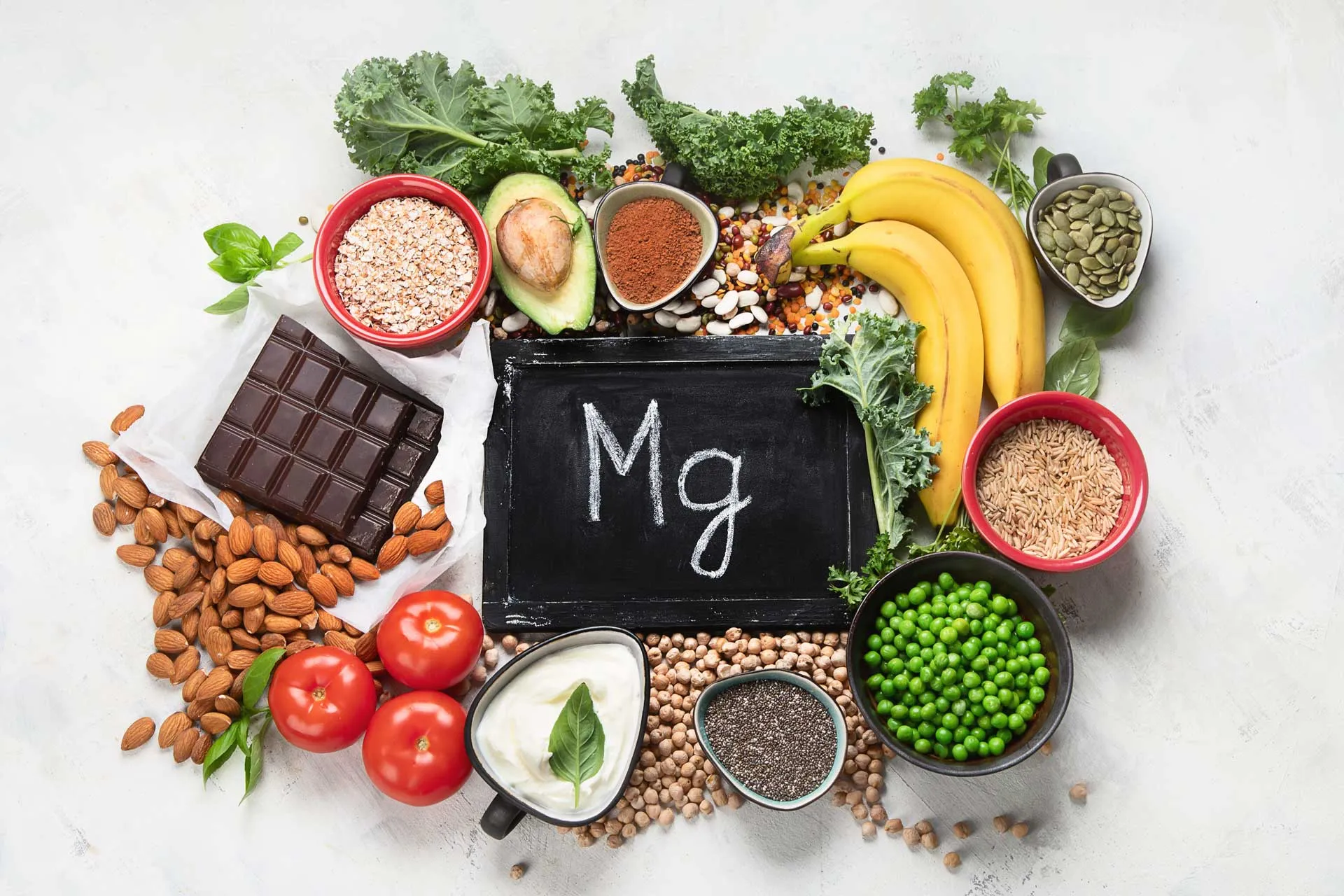
You may also want to include magnesium-rich foods like wheat-bran cereal (if you are not gluten-sensitive) into your diet. If you are gluten sensitive, pumpkin seeds, bananas, avocados, and spinach are excellent sources of magnesium. It can take three to four weeks to correct the deficiency, so in the meantime, consider rubbing a bit of magnesium oil on your back before going to bed. The oil penetrates the skin and gets to the muscle layer and could help improve the discomfort in about a week.
Mind-Body Techniques for Pain Management

I would also recommend mind-body techniques such as progressive muscle relaxation, in which you can relax different parts of your body, one muscle group at a time. Another great holistic modality is Ondamed (pulsed low-frequency electromagnetic fields)—a painless treatment in which the vibrational frequencies of the muscle groups receive a tune-up. For acute pain, a series of 30-minute treatments is typically sufficient.
Holistic Solutions for Acid Reflux Medication
Patients also commonly ask me about the dangers of acid reflux medications and whether there are any natural fixes that will help. Yet people are right to be leery of proton pump inhibitors and H2 blockers; their chronic use has been linked to bone fractures and increased risk of infections. These pharmaceuticals can also decrease calcium absorption and wipe out stomach acid, which is needed for breaking down any and all food proteins.
How to Wean Off Acid Reflux Medications
If your gastroenterologist agrees, you can try weaning off these medications. In the meantime, here are a few lifestyle changes that may help:
- Sleep with two pillows to prevent acid from accumulating in your esophagus and throat.
- Avoid eating after 7 PM and aim to go to bed no later than 10 PM to reduce late-night acid production.
- Avoid foods that increase acid production, such as caffeine, alcohol, tomatoes, chocolate, potatoes, and spicy foods.
Natural Remedies for Acid Reflux
There are also several simple natural remedies that will improve your reflux.
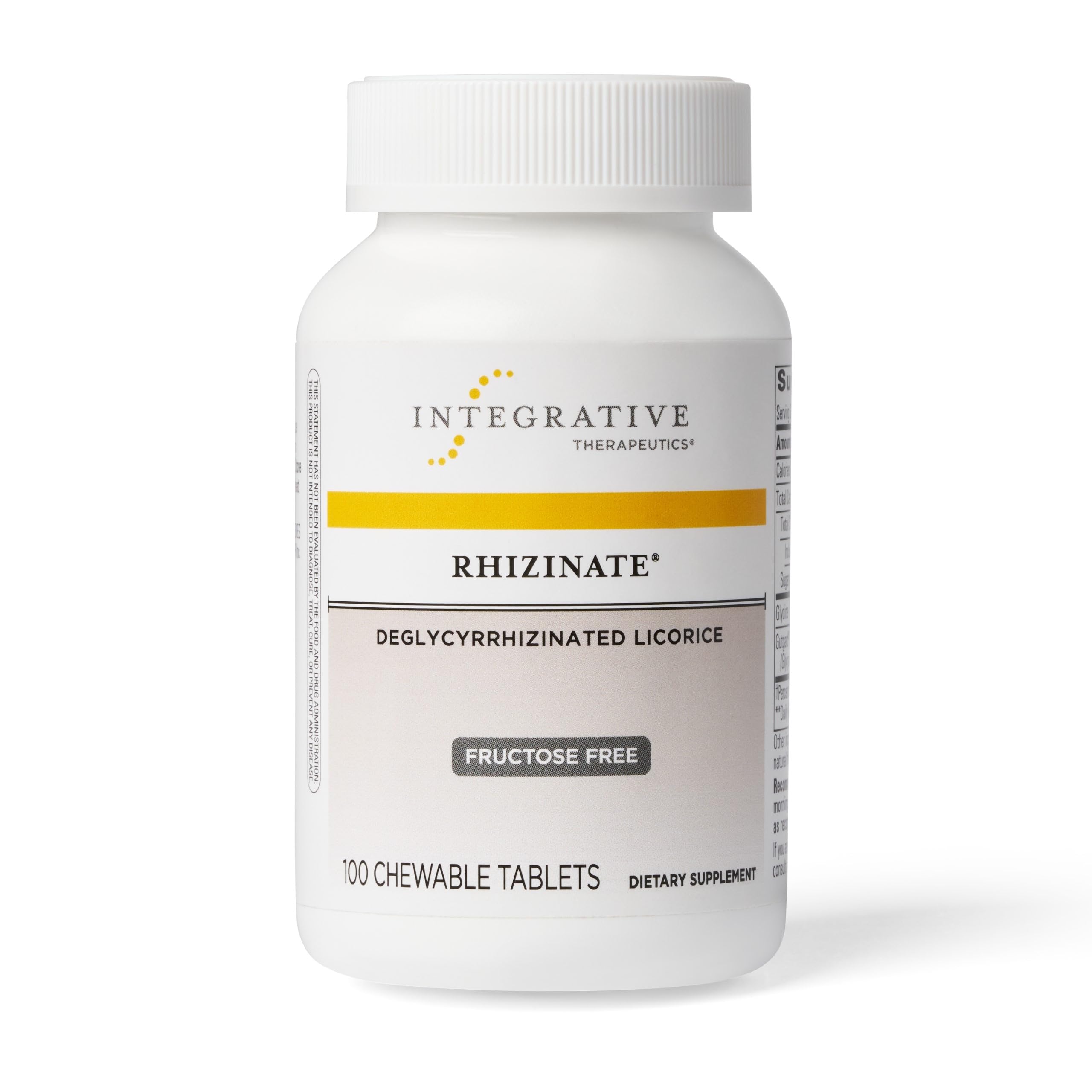
My favorite is Rhizinate Chewable Supplement by Integrative Therapeutics. The main ingredient—deglycyrrhizinated licorice—stimulates the natural protective factors in the digestive tract, which help relieve occasional heartburn. In Rhizinate, the glycyrrhizin compound associated with high blood pressure has been removed. It tastes great AND is chewable because saliva enhances the effect of Rhizinate’s natural compounds.
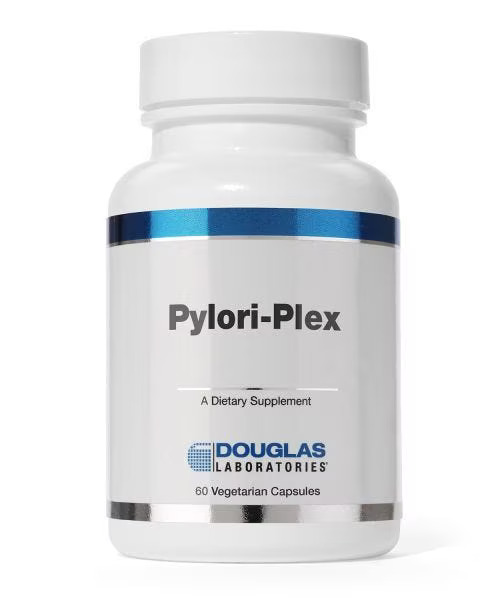
Alternatively, you can try a slippery elm bark and mastic gum–based supplement called Pylori-Plex by Douglas Labs. Mastic gum, a resin obtained from the tree Pistacia lentiscus, is used traditionally in the Mediterranean as a food ingredient AND a traditional healing plant for the gastrointestinal system. Several studies indicate that it may have the ability to reduce the H. Pylori bacteria, commonly related to many cases of heartburn and acid reflux. This is important in supporting the body’s exposure to H. pylori and maintaining the body’s natural defenses against ulcer formation.